


Common Hackberry
Celtis occidentalis
native
Other Names:
Nettletree, Sugarberry, Beaverwood, Hackberry, American Hackberry
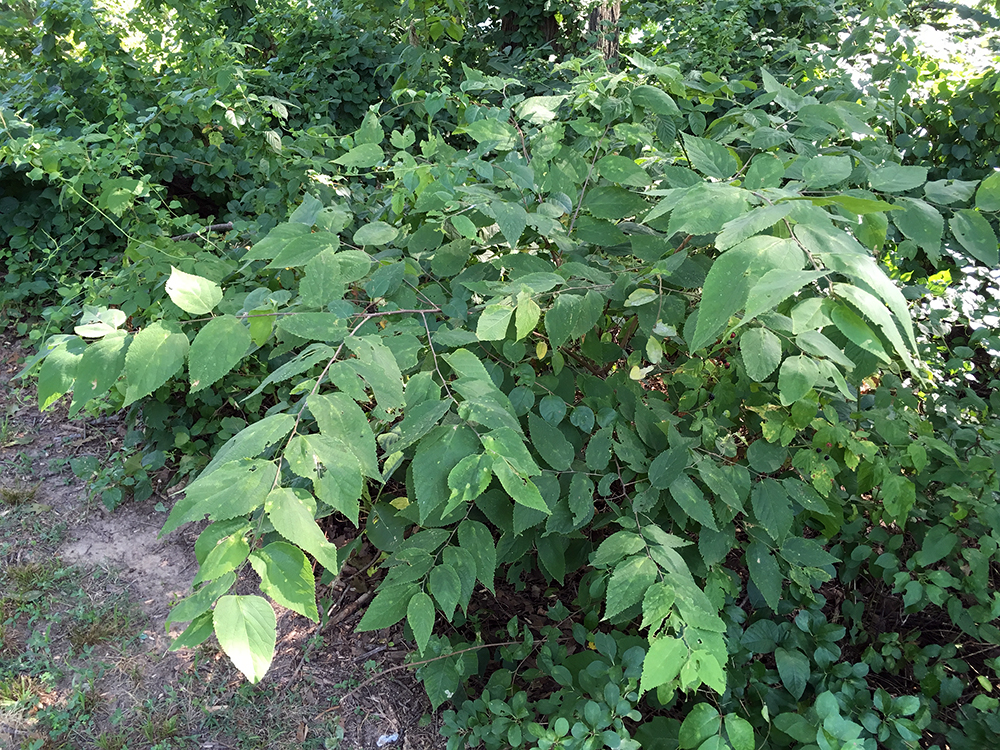
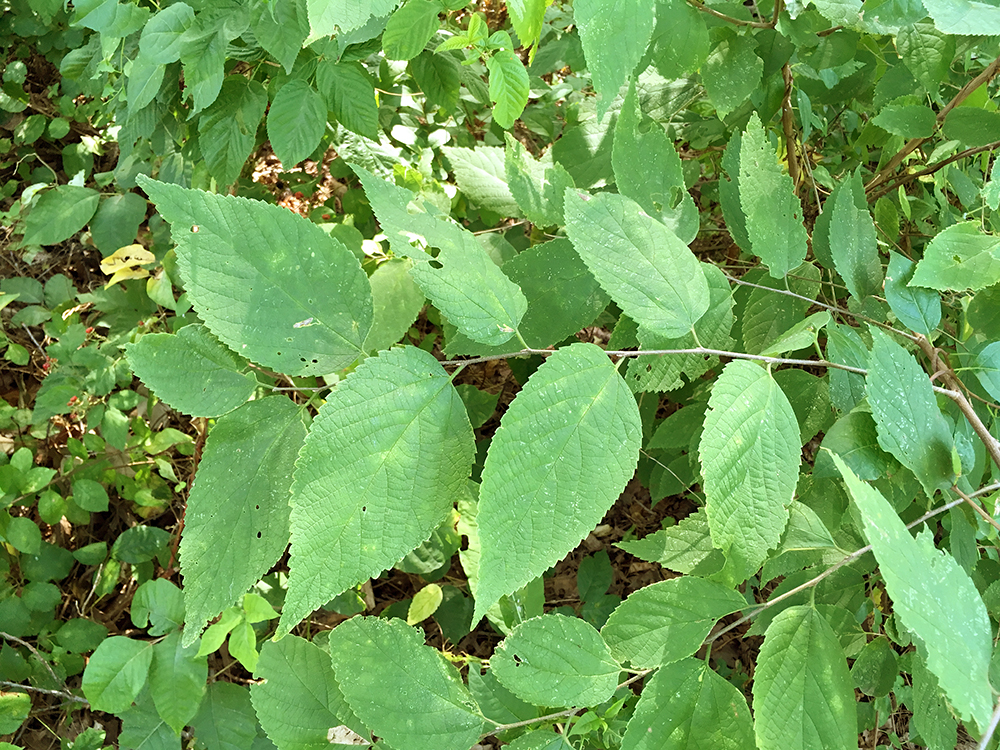
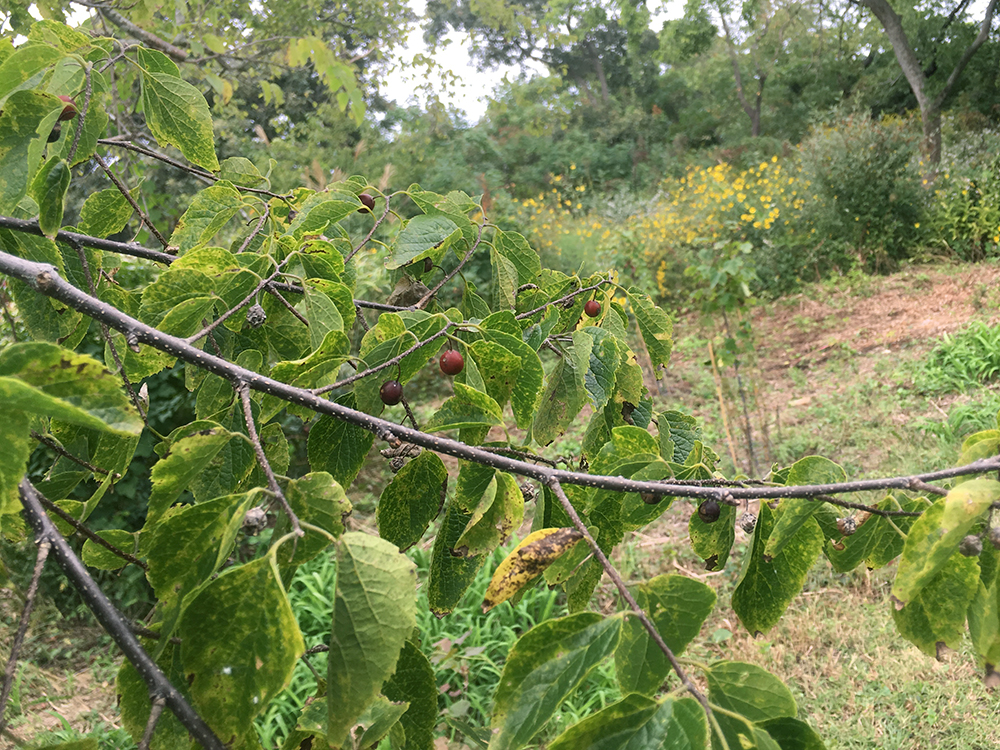
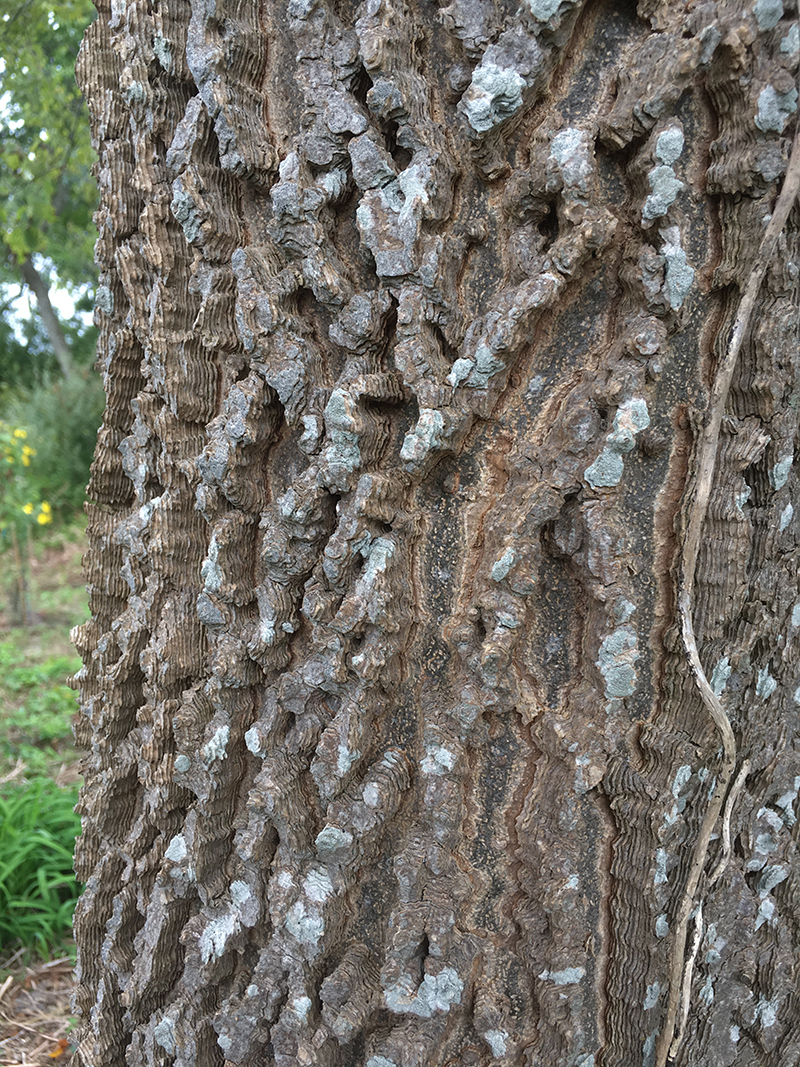
The Common Hackberry is a native deciduous tree found through much of Virginia. It can grow to a height of 80 feet, and its cork-like bark has warty protuberances. It is a host tree for several butterflies, including the Mourning Cloak, Question Mark, Hackberry Emperor, and Tawny Emperor, and the caterpillars of numerous moths feed on it. It hosts an array of other arthropods that feed on it, including Hackberry Lace Bugs. Others cause deformities, such as Hackberry Mites which can cause 'witches' brooms', galls, or bud deformation, and Hackberry Psyllids, one of several species that cause small galls to form on the leaves. At least four different species of arthropods cause galls to form in hackberry leaves in our area, and each gall type has a different shape. The berries are eaten by a variety of birds, including Cedar Waxwings, and mammals. The name Hackberry might come from the Scottish hagberry, which means marsh berry, a term applied to a different tree species in Scotland.
Identification Tools
 Illinois Wildflowers
Friends of the Wildflower Garden
Go Botany
Illinois Wildflowers
Friends of the Wildflower Garden
Go Botany
Ranges
Return to the Index